Welcome to Willow Class
Welcome to our Reception and Year 1 class page. We invite you to join us on our journey as we share all the exciting things we are learning about.
Our teachers are Mrs Haller and Miss Corney. Mrs Haller teaches us on a Monday, Tuesday and Wednesday. Miss Corney teaches us on a Thursday and Friday.
Willow Class pupils are also supported by Miss Corney, Mrs Maycock, Mrs Law and Miss Lister.
Throughout their time at Caistor C of E and Methodist Primary School your child’s emotional well-being is at the forefront of our practice. We believe that a happy and settled child will be open to learning opportunities and highly motivated to learn.
We have an enthusiastic and experienced team of practitioners whom take a holistic approach to teaching to ensure that all children are able to develop to their full potential, in all areas of the curriculum.

Autumn Term In Willow Class...
Our topic this term is 'To Infinity and Beyond'.
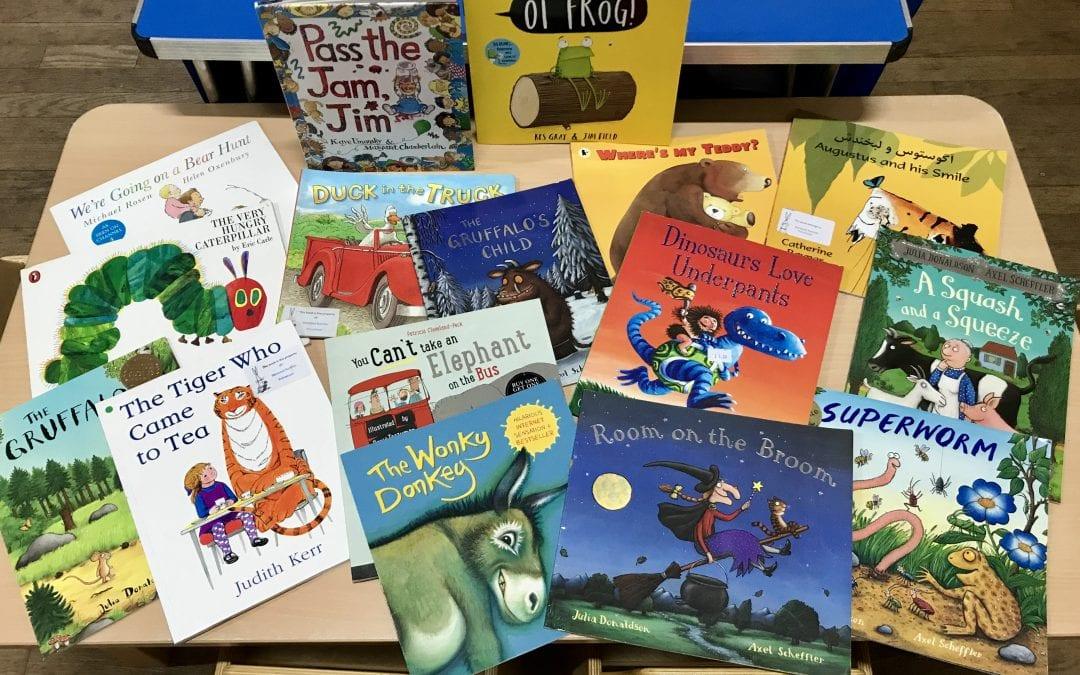
During the autumn term, our topic is 'To Infinity and Beyond'. This topic is carefully planned to answer the essential question 'What would your ideal planet be like?'. This topic supports the Early Years Foundation Stage curriculum, building strong foundations for children’s learning and development. Through high-quality texts, this topic allows the children to holistically develop all areas of the EYFS curriculum. During this topic, we will explore a range of high-quality fiction and non-fiction texts such as: 'Elmer', 'Aliens Love Underpants', ‘Rajiv’s Starry Feelings' as well as 'Whatever next'.
The theme of 'To Infinity and Beyond' strongly supports the Early Years Foundation Stage (EYFS) curriculum as it aligns with how young children learn best through imagination, play, and exploration. It enhances Communication and Language as children listen to, retell, and create stories, while also expanding their vocabulary through rich, imaginative contexts. Personal, Social, and Emotional Development is supported as children work together in role-play scenarios, face challenges, and explore emotions such as excitement or fear. Physical Development is encouraged through active play like obstacle courses and movement-based adventures, as well as fine motor activities such as drawing maps or building props. In Literacy, fantasy narratives inspire a love of stories, support comprehension, and provide meaningful opportunities for mark-making and early writing. Mathematical Understanding is developed through counting, sequencing events, and using positional language during play. The theme also contributes to Understanding the World by allowing children to explore different environments, compare real and imaginary journeys, and engage with basic geographical concepts like maps and directions. Finally, Expressive Arts and Design is enriched as children create imaginative worlds, costumes, and artwork, encouraging creativity and self-expression. Overall, our topic 'To Infinity and Beyond' provides an holistic, engaging context that brings together all areas of learning in a meaningful, exciting and motivating way.
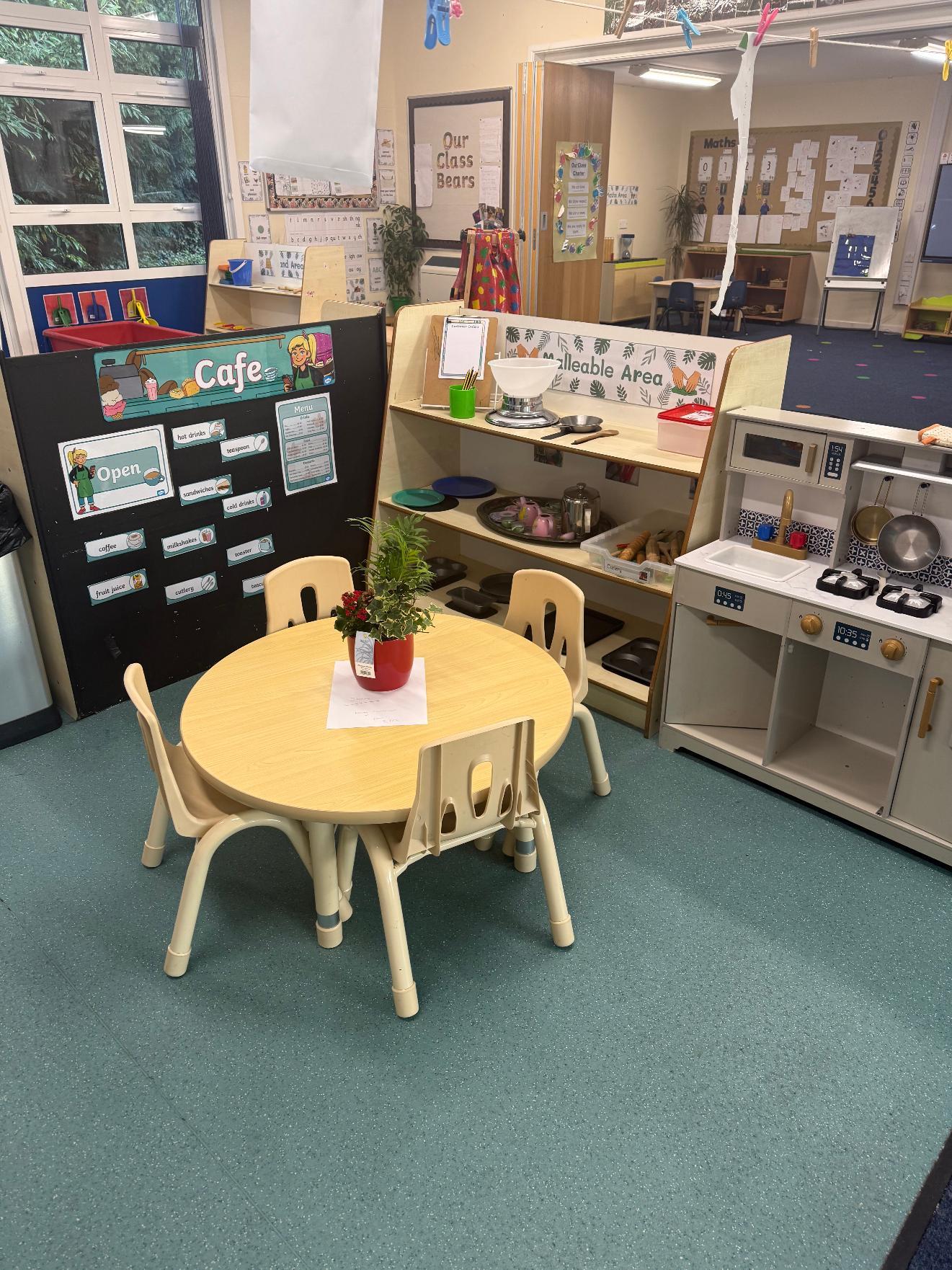
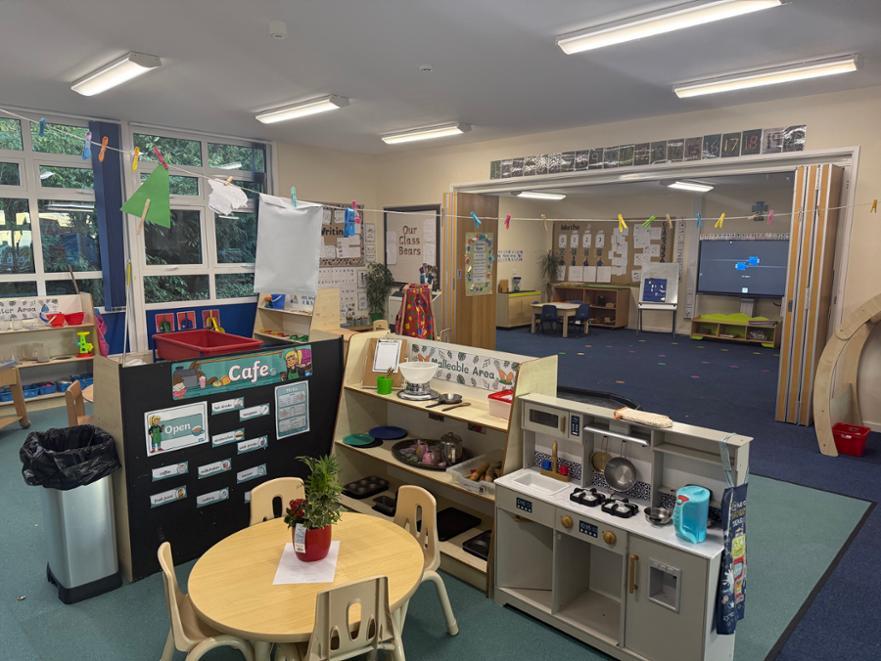
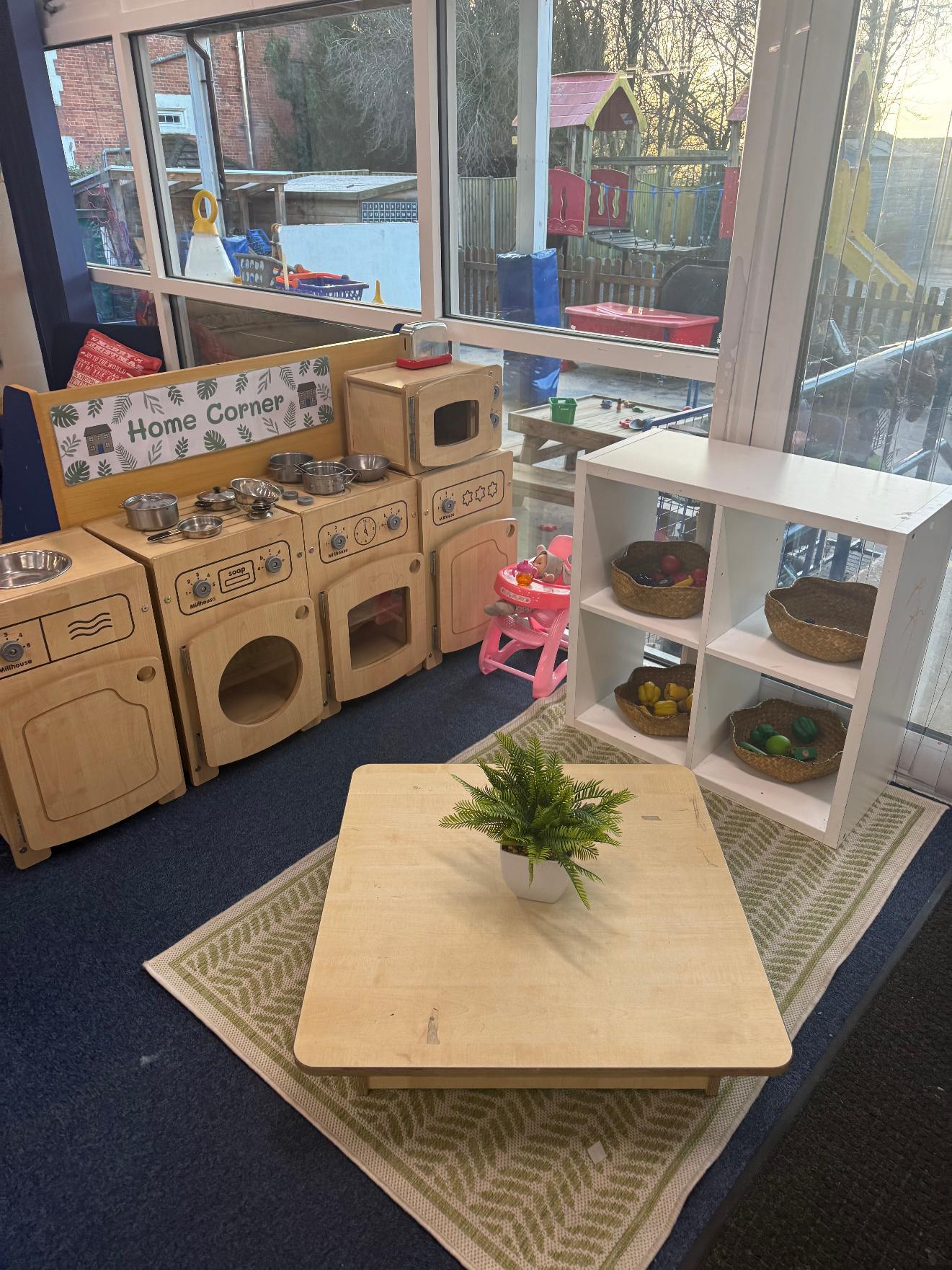
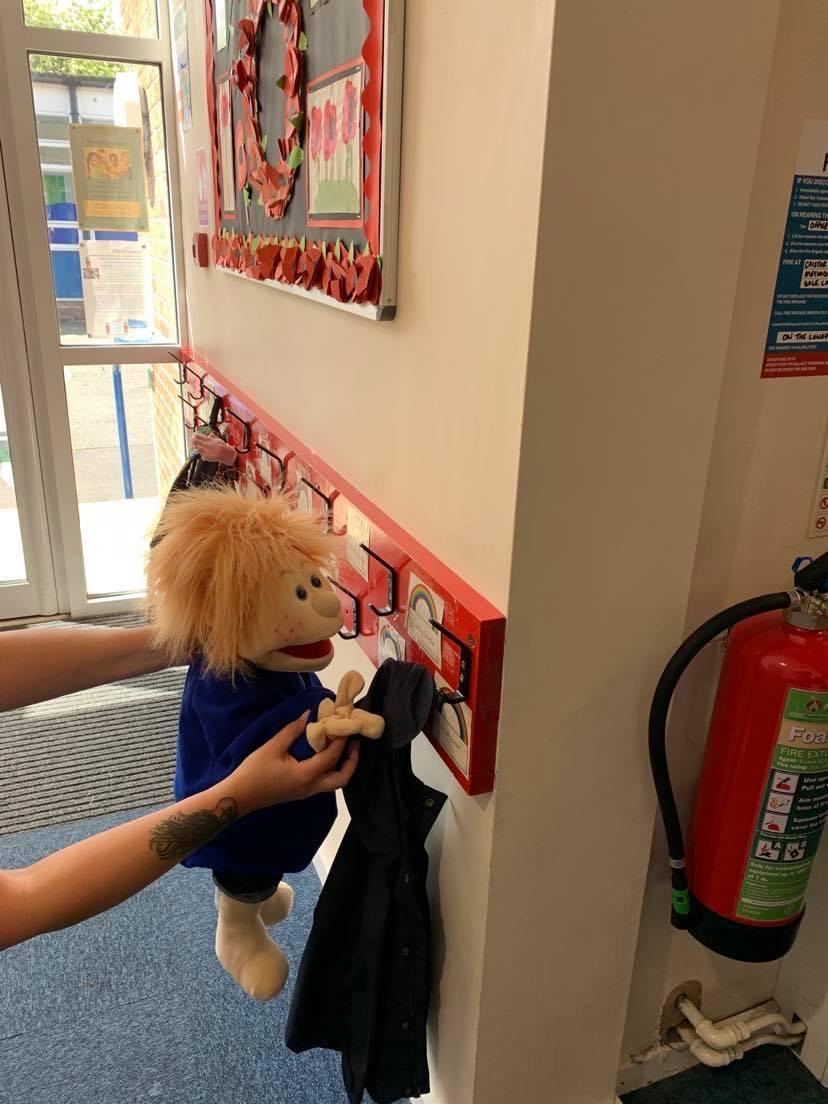
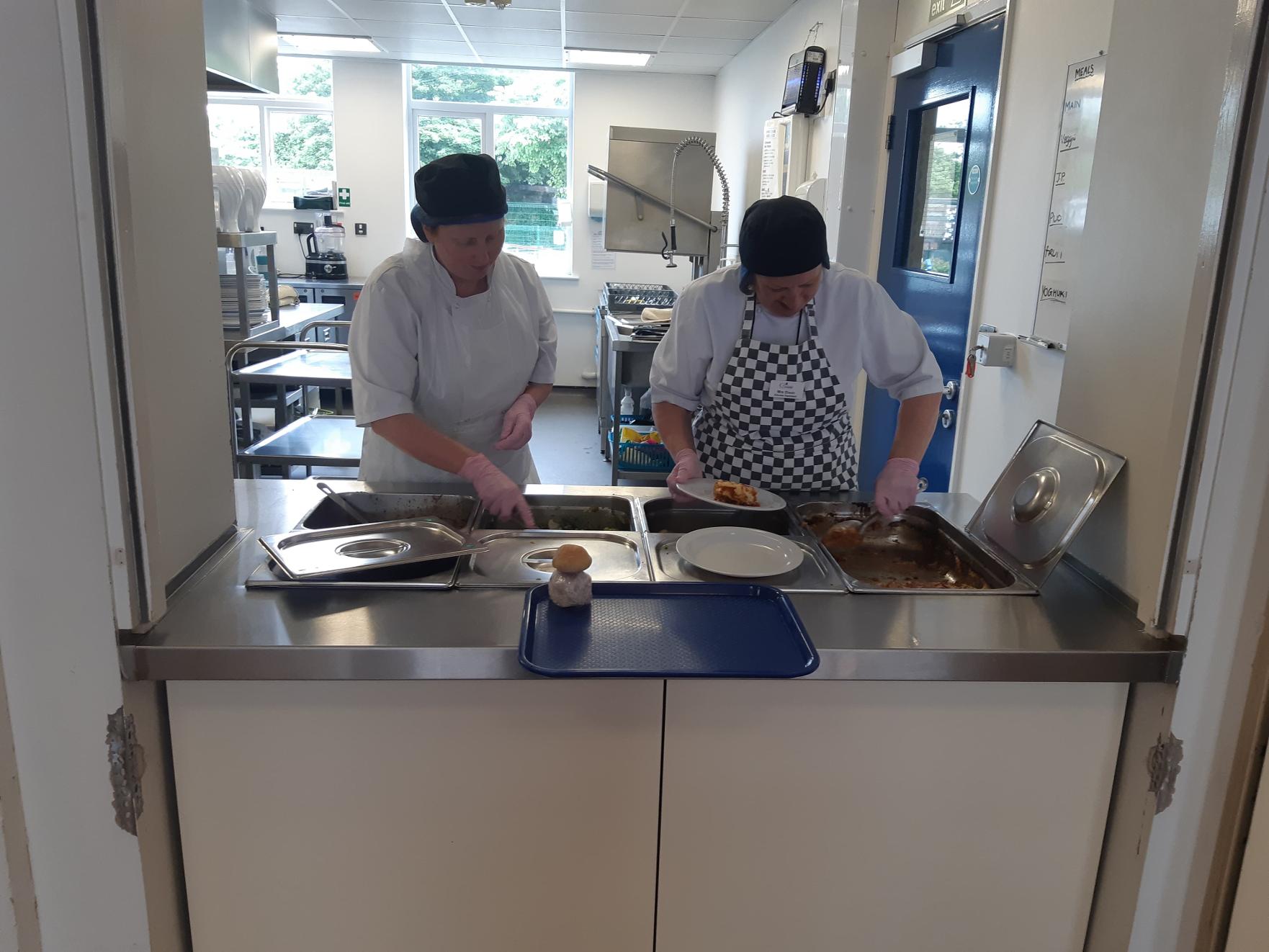
Our Classroom
Our School
EYFS Unit
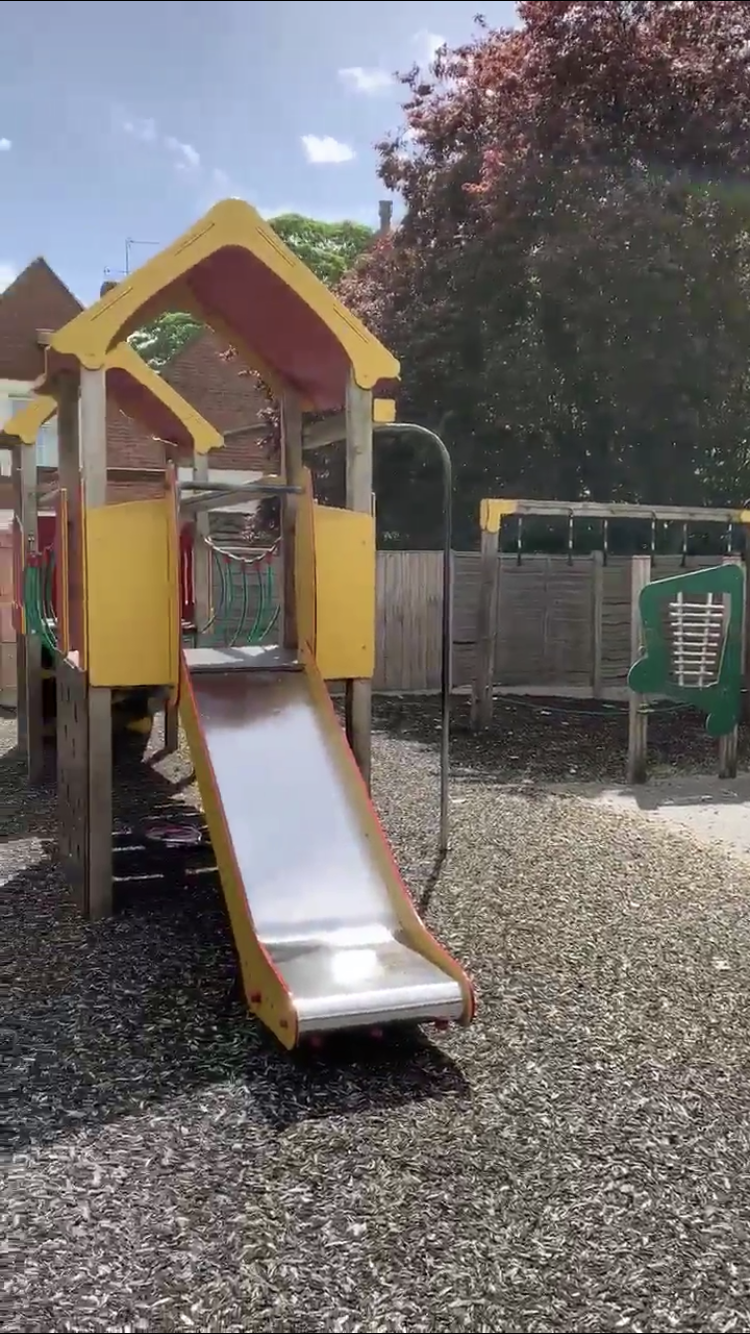
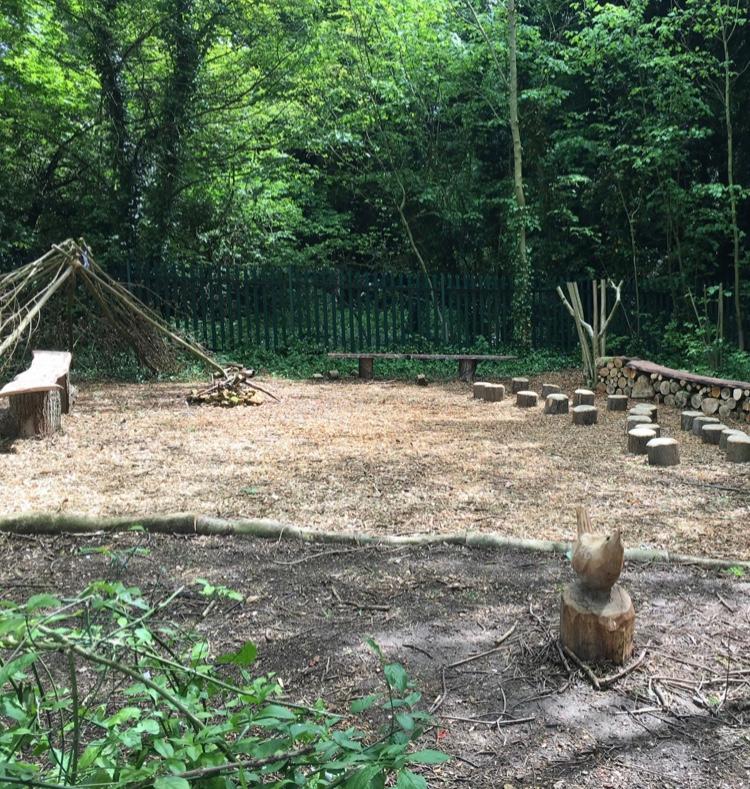
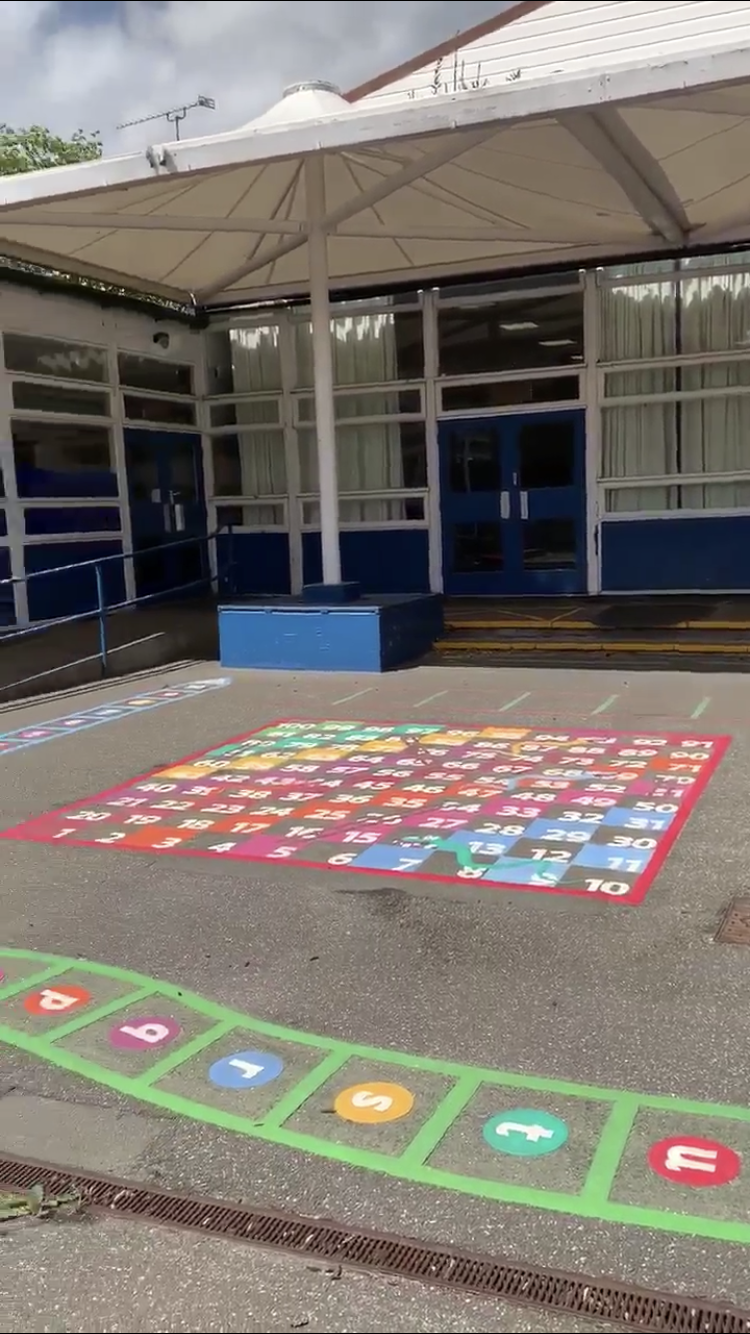
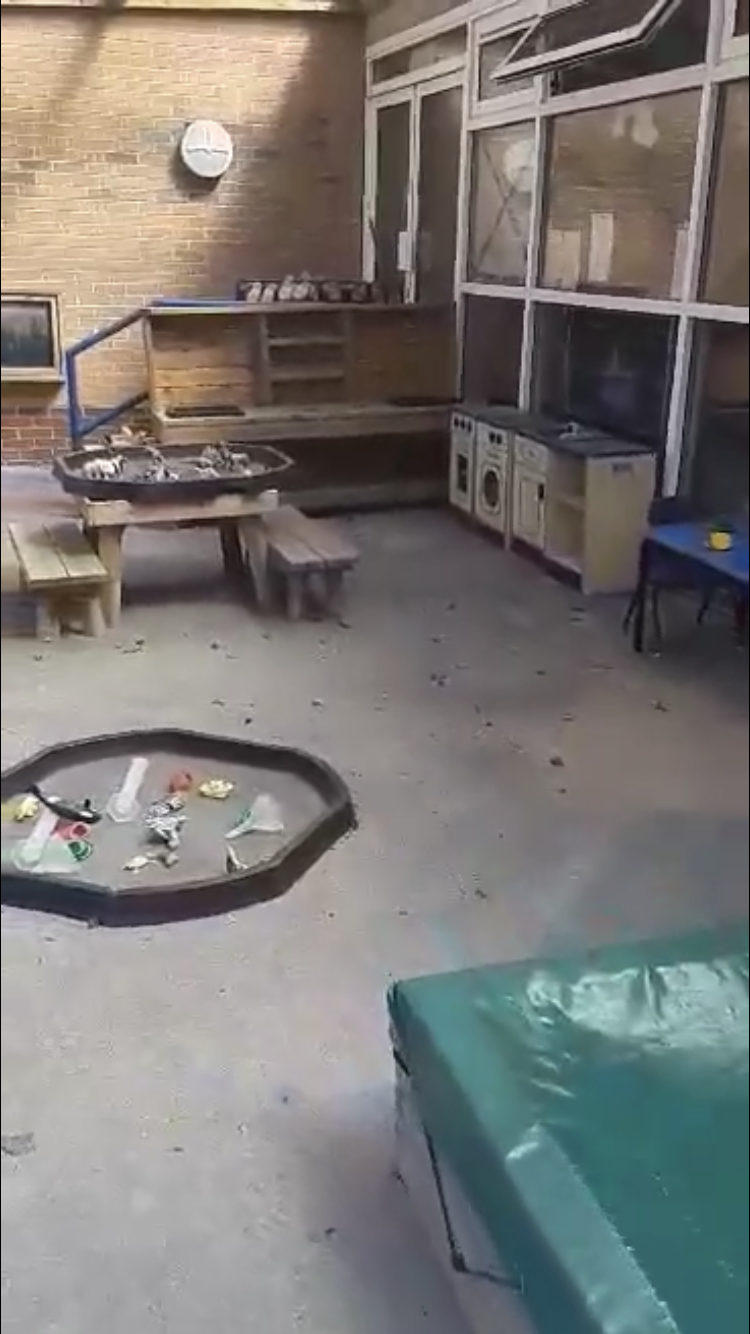
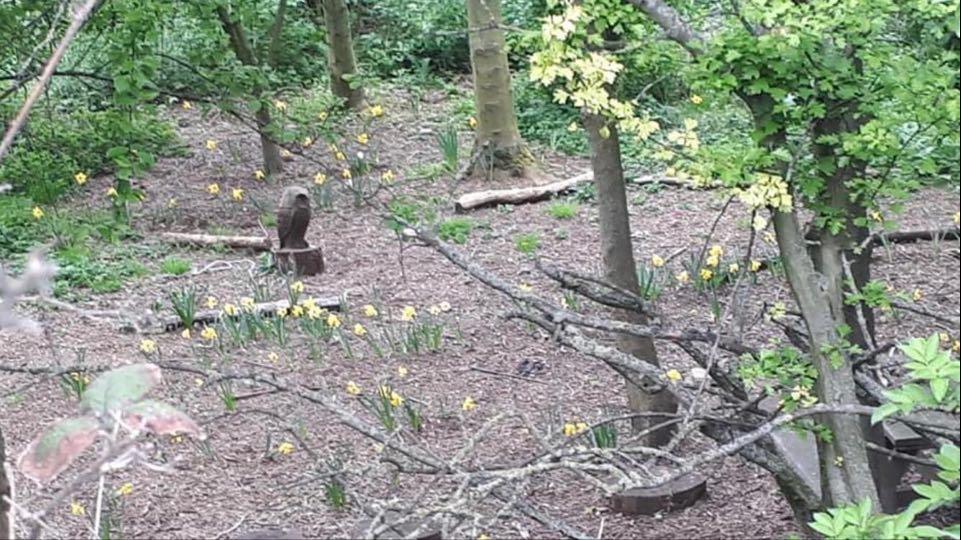
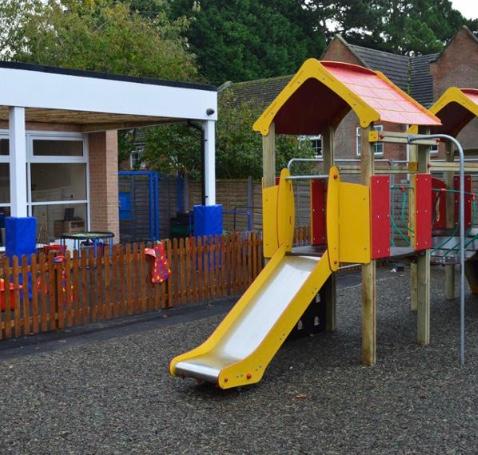
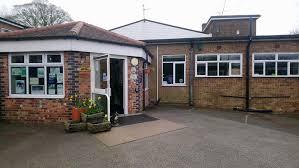
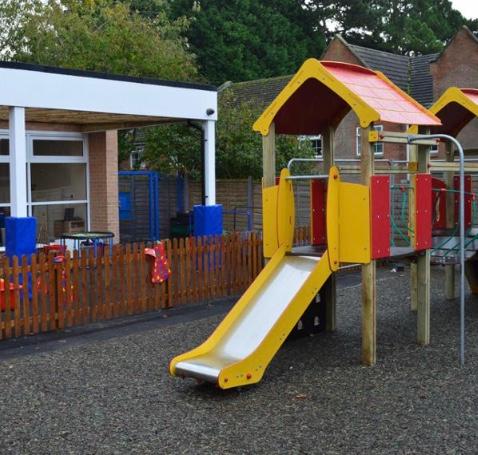
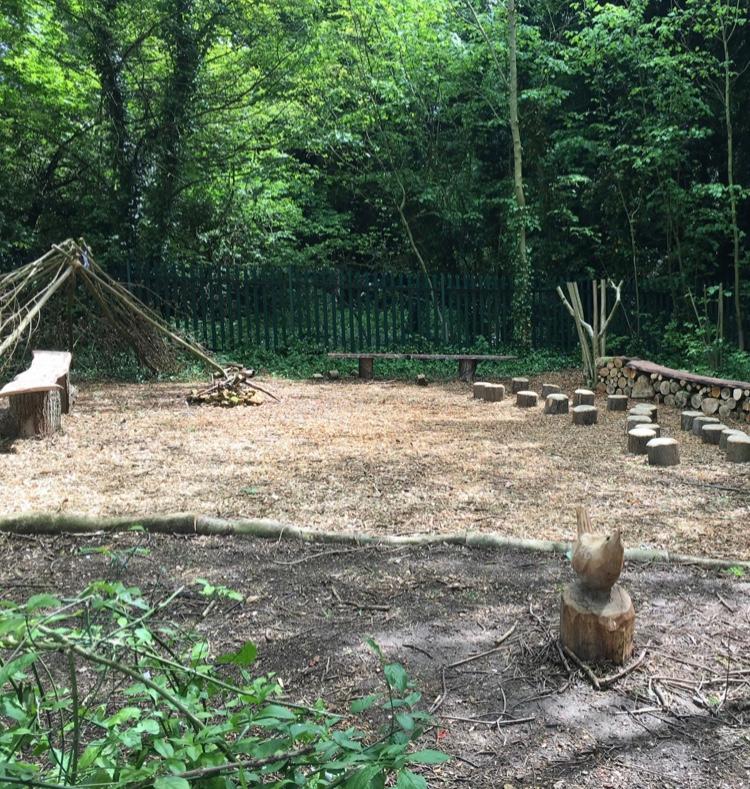
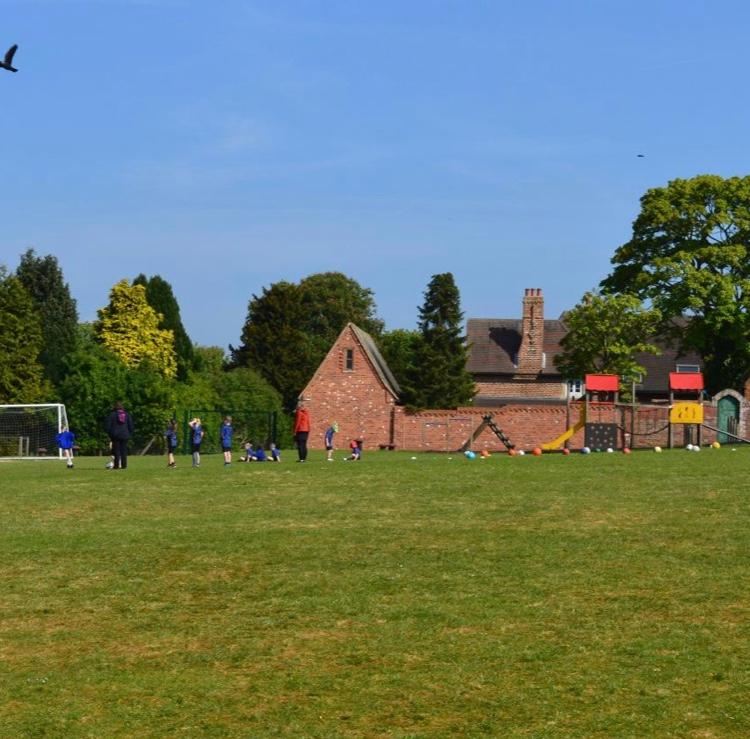
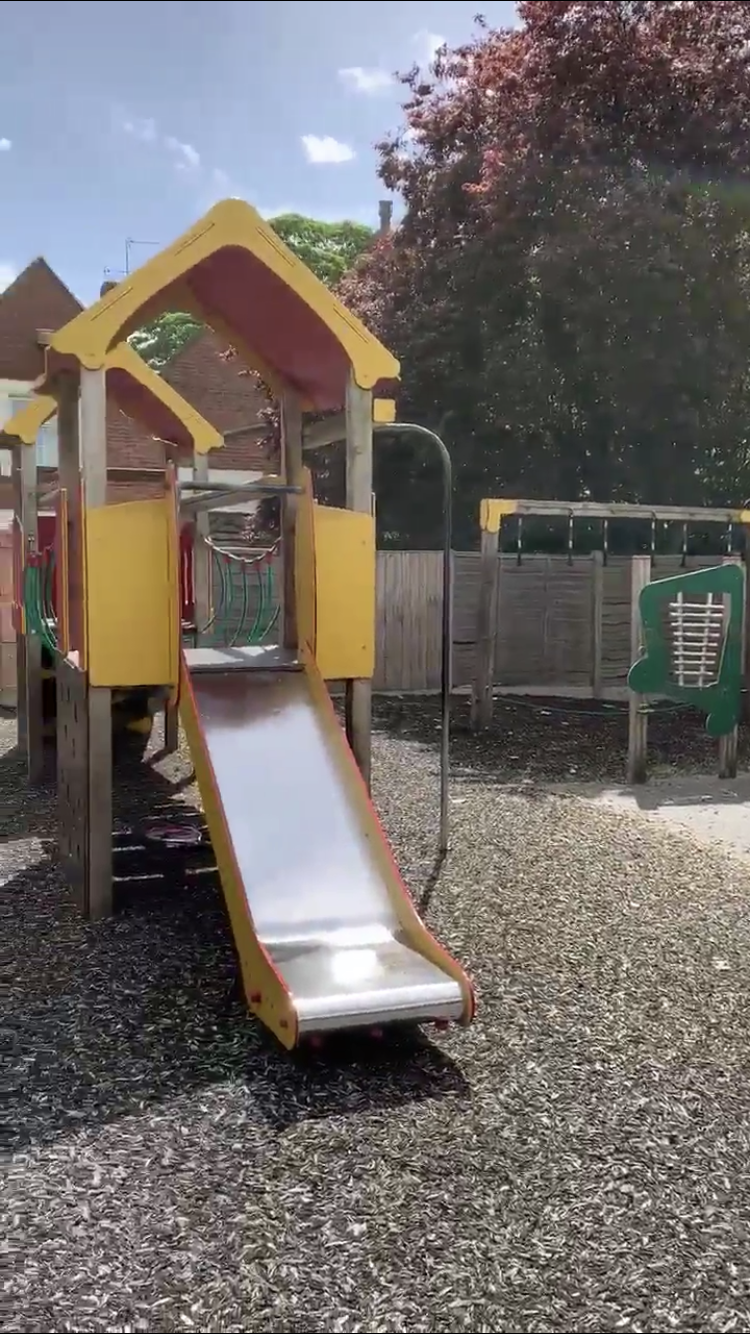
This year, our Year 1/ reception class will be taught separately to our pre-school children (3-4 years old), across two large classrooms within our purpose built Early Years Foundation Stage (EYFS) unit. The unit provides free-flow outdoor access all day but we also make good use of the woodland area and fields within the school grounds.
Staff
Willow and Ash class are taught by a team of experienced teachers and practitioners.
Mrs Haller Miss Corney Miss Burling |
Class Teachers |
Mrs Lait Mrs Maycock Miss Lister Mrs Whittaker Mrs Love Mrs Ellis |
EYFS Teaching Assistants
|
We are happy to meet with parents to discuss any matters relating to your child and we ask that parents/carers arrange a mutually convenient time with staff at end of the school day.
Forest Schools
Forest School sessions will take place on Wednesdays.
Children will need to come to school in dark coloured long trousers/leggings and a long sleeve top/jumper. Children will also need suitable footwear for wet weather; such as, wellington boots or trainers.
PE
We have a timetabled PE session in the hall every Friday.
Reception children need a named school PE shirt, black shorts and a pair of trainers, which they will wear to school every Friday.
Useful links and documents
Below are links to a range of documents and guidance which are used to support the children in their learning and development at all stages.

|
EYFS Statutory Framework September 2026 | [pdf 748KB] |

|
Reading at Home - Supporting Early Reading
Many parents ask us how best to support their child with reading. Below are a few helpful tips for early readers.
- First of all make sure that you and your child are comfortable and that any distractions, such as the TV, are minimised. A reading session should be no more than 10 minutes to start with.
- Talk about the book, the title and the characters. Encourage your child to predict what might happen.
- If your child has a book with no words, encourage them to talk through the story and then to tell it more formally using time connectives such as first, then, next. They should try to recall the character names and look closely at the pictures.
- Once your child is able to read Set 1 sounds and blend sounds together to read simple words, they will be issued with a book containing words. They should be encouraged to point to each word, say the letter sounds and then blend them together. If the flow of the story is interrupted by their sounding out, they should be encouraged to re-read the sentences in order to hear the sense of the text.
- Encourage your child to decode words using the sounds they know. They should be supported to recall short words e.g. 'in, is, it' when they see them repeated. Red words (words which cannot be sounded out) e.g. 'the, was' should also be pointed out.
- It is important that children still talk about the books and extract further meaning from them. Below you will find a list of useful questions to ask your child.
- It is also important to encourage children to read in real life situations e.g. in shops, on trips and around the home. It is also important that children seen adults as readers and that adults model reading in a range of contexts.
- Making trips to the library, reading stories to your child, reciting poems and rhymes and making reading meaningful will help your children to develop a love of reading and become a confident reader.
- Above all, reading should be seen as fun and not a chore!
Developing Reading Skills - Questions to ask
Encourage your child to recall elements of the book/story
- What has happened so far?
- Who thought/did/wanted?
- Where did....?
- What happened when....?
Encourage your child to think about the writer's intention
- Why did the writer/author use that word?
- What do you think the author wants you to feel?
- Why do you think the chapter ended there?
Encourage your child to think beyond the literal
- Why do you think the character did that?
- What made them feel that way?
- How do you know they are scared/worried/happy?
- How can you tell how they are feeling?
- What does that tell you about the character?
Encourage your child to give a personal response
- How does that make you feel?
- Which part of the book/story did you like best?
- What do you think to this character?
- Do you think that is a good idea?
- What do you think of how the book/story was written?
Encourage your child to give reasons and if possible, use examples from the text to support their answers
At Caistor Primary School we teach children to read using the Read, Write Inc Phonics scheme.
For more information about how we teach early reading or how you can help your child at home, please visit our 'Phonics' page or click the link below.
https://www.caistorprimary.co.uk/curriculum/phonics/phonics.html
Phonics FAQ's
|
|
Parent FAQ's | [pdf 523KB] |
|